
May 11, 2026 Insights
Occupied Renovation: What Steps Owners Need to Know to Keep People Safe and Operations Moving
By Greg Leui, Lead Estimator, Central Region
Occupied renovations don’t fail because of construction complexity — they fail when projects disrupt the people and systems the facility exists to serve. Across education, healthcare, and industrial environments, successful projects are defined by uniform safety processes, phasing discipline, and communication that is clear, open, and consistent, not just speed to completion.
At Shook Construction, we regularly work in occupied spaces, and these are the insights we share with owners.
1. Phasing: Designing Construction Around Daily Operations
Owners often view phasing as purely a contractor logistics exercise. Phasing is an owner’s primary tool for protecting operations, safety, and reputation. This is true across several market segments Shook Construction serves:
Schools
In occupied schools, phasing is synchronized to:
- Accommodate limited space for staging materials and equipment
- Coordinate delivery schedules, debris removal, and contractor routing
- Accommodate academic calendars (testing windows, school events, summer shutdowns)
- Plan around student traffic patterns, peak movement times, and pick-up and drop-off times
- Ensure security protocols and background-check requirements are in place
- Minimize noise, vibration, and dust
Effective phasing strategies include isolated zones, early completion areas, temporary classrooms, and sequencing work to preserve continuous access to classrooms and essential services.
Key Owner Takeaway:
A phasing plan should answer: Can operations continue without students or faculty ever crossing or nearing active work zones?
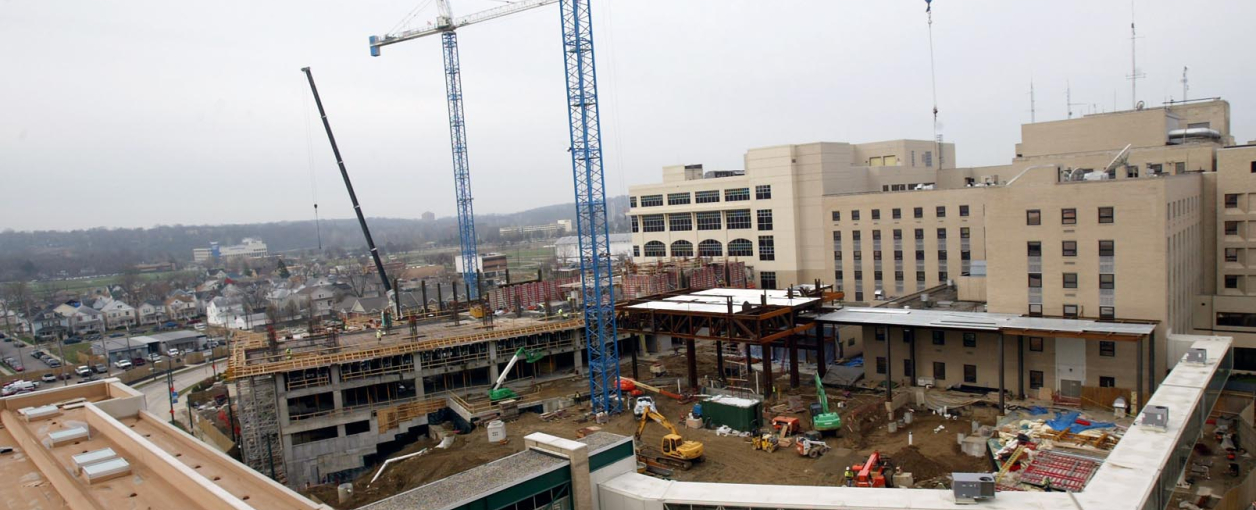
Hospitals
In healthcare environments, phasing is inseparable from patient safety and continuity of care. Successful plans account for:
-
Systems that cannot be interrupted (medical gas, power, HVAC, life safety, technology)
- Noise, vibration, dust, chemical/odor, and infection-control boundaries
- Startup, commissioning, and operational readiness — not just construction completion
- Removal of waste and delivery of materials
- Operating room schedules
Healthcare expertise is demonstrated by aligning construction phases to clinical workflows, not just available space to conduct work.
Key Owner Takeaway:
In hospitals, a phase isn’t complete until systems are tested, validated, and safe for patient and staff use.
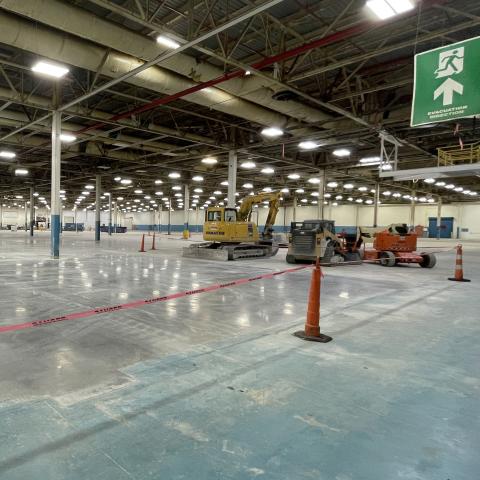
Industrial / Manufacturing
In industrial settings, production uptime drives the phasing strategy. Key considerations include:
- Safety around operating industrial systems
- Access to the work areas with construction equipment
- Shutdown windows and allowable downtime
- Tie-ins to energized power and process systems
- Restart, stabilization, and contingency planning
Phasing must be designed backward to account for continued production, not construction convenience.
Key Owner Takeaway:
A viable phase plan protects production output first, construction progress second.
2. Safety Barriers: Separation, Not Just Compliance
Owners expect construction safety plans to focus on protecting their workers and students. In occupied environments, the greater risk is to non-construction occupants such as students, patients, staff, and production workers.
What ‘Good’ Looks Like Across All Sectors:
- Physical separation (secure fencing, temporary walls, controlled access points, security protocols)
- Defined pedestrian and vehicular routes
- Clear wayfinding and visual boundaries
- Controlled deliveries and material staging zones
The goal is for these measures to work throughout construction, not just at mobilization.
Sector-Specific Safety Focus:
Schools
- Secure fencing and access control to prevent unauthorized entry
- Crew background checks with visible identification
- Work scheduled to avoid high-traffic periods and instructional hours
- Separation of construction staff from student population
Hospitals
- Infection control risk assessment (ICRA)
- Isolation of dust, vibration, chemical and odors, and airflow impacts
- Redundant systems protecting life safety and critical care operations
Industrial
- Lockout/tagout discipline
- Controlled access in live-process environments
- Safety programs adapted to the client’s site-specific safety programs, energized systems, and confined spaces
- Often industrial owner’s site-specific safety programs are more stringent. We adapt our approaches to meet these specific needs.
3. Communication: Treat It as a Construction Deliverable
In occupied spaces, lack of information creates more disruption than the construction itself. Proactive and consistent communication prevents operational surprises.
Effective Communication Frameworks:
Schools
- Ongoing coordination with administrators and facility teams
- Advance notice for noisy or disruptive work
- Clear signage
- Regular updates for staff and families
Hospitals
- Regular communication with facility teams, clinical staff, and leadership
- Clear planning and timely communication for system impacts and traffic flow interruptions
- Documentation supporting regulatory confidence and accreditation readiness
- Clear and understandable signage directing patients and visitors
Industrial
- Daily coordination with plant managers and facility teams
- Visibility into shutdown timing, restart plans, and contingencies
- Integrated schedules covering procurement, installation, and commissioning
- Communication about the coordination of utilities and inspections
Key Owner Insight:
Owners should require communication plans that define who is informed, when, and how before construction starts.
4. What Owners Should Demand Before Moving Forward
- A phasing plan tied to operations and facility schedules, not just the building process
- Safety separation strategies specific to occupants and staff, not just construction workers
- A communication cadence aligned with stakeholder expectations and requirements
- Evidence of sector expertise in occupied spaces — not generic
The Shook Difference
Working in active environments requires a partner who understands the rhythm of your business or school day—and the responsibilities that come with projects in an occupied space. At Shook, we deliver high-quality facilities while protecting the safety, productivity, and peace of mind of the organizations we serve.
About the Author
Greg Leui is the lead Estimator with Shook Construction in the Central (Indiana) Region and specializes in cost estimation, bid preparation, risk analysis, and budget management across healthcare, advanced manufacturing, education, and industrial projects. As Lead Estimator, Greg works closely with vendors and trade partners across Indiana to plan and execute a variety of specialized construction projects. Greg holds an Associate of Science in Business from Ivy Tech.
 Occupied Renovation: What Steps Owners Need to Know to Keep People Safe and Operations Moving
May 11, 2026Insights
Occupied Renovation: What Steps Owners Need to Know to Keep People Safe and Operations Moving
May 11, 2026Insights
 Groundbreaking for Bay Village Facilities Improvement Project
May 7, 2026News
Groundbreaking for Bay Village Facilities Improvement Project
May 7, 2026News
 100 Acts of Service: 31-36
May 6, 2026Mission
100 Acts of Service: 31-36
May 6, 2026Mission
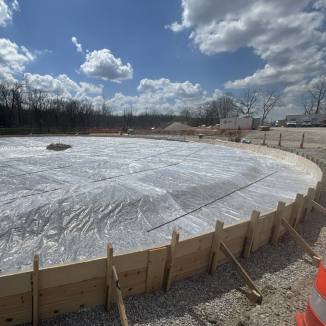 Progress at the Bedford Heights Wastewater Treatment Plant
May 5, 2026News
Progress at the Bedford Heights Wastewater Treatment Plant
May 5, 2026News
 100 Acts of Service: 28-30
April 27, 2026Mission
100 Acts of Service: 28-30
April 27, 2026Mission
 100 Acts of Service: 23-27
April 20, 2026Mission
100 Acts of Service: 23-27
April 20, 2026Mission
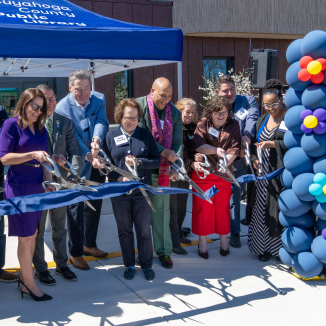 Celebrating the Opening of the New Parma Heights Library
April 14, 2026News
Celebrating the Opening of the New Parma Heights Library
April 14, 2026News
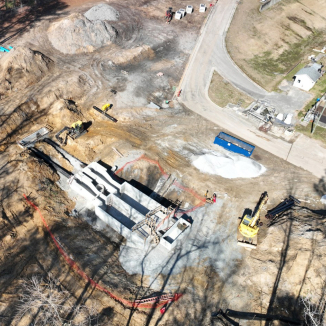 Work at Elizabethtown Wastewater Treatment Plant Moving Along
April 13, 2026News
Work at Elizabethtown Wastewater Treatment Plant Moving Along
April 13, 2026News
 100 Acts of Service: 19-22
April 8, 2026Mission
100 Acts of Service: 19-22
April 8, 2026Mission
 Milestone at Tipp City Schools PK-8 School Project
April 7, 2026News
Milestone at Tipp City Schools PK-8 School Project
April 7, 2026News
 SNC Hangars Unveiled at Ribbon Cutting Ceremony
April 6, 2026News
SNC Hangars Unveiled at Ribbon Cutting Ceremony
April 6, 2026News
 100 Acts of Service: 14-18
March 31, 2026Mission
100 Acts of Service: 14-18
March 31, 2026Mission